
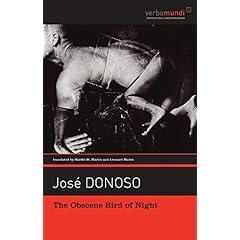
One of the first techniques I noticed was the use of an unreliable and supernumerary first person narrator. Not only is the narrator potentially lying, insane, or obsessed about what is going on in the plot, making it difficult to believe whether the perspective on the events we are told is true or real, but he also becomes several different people, letting the first person narrative drift into the perspectives of the rest of the novel's characters. The story of the aristocratic monster is framed by the cloistered life of a nunnery, and the plot jumps forward and backwards in time in order to confuse and commingle these events. Donoso also relies heavily on repetition, of words, phrases, events, both the narrator and other characters becoming obsessed with and circling around certain themes from all angles in order to suggest their mirrored nature and importance to the plot. Lastly, and most fascinating, is a technique described on the back of the book as Donoso's ability to "multiply by myth." Early in the story, characters tell a legend about the family that all the rest of the events in the story somehow reflect or reference, whether by repeating the whole, or by stealing small parts from it to suggest the connection of the entire plot back to a mythic archetype.
On the whole this is an impressive literary work, both from the perspective of a reader and a writer. Highly worth checking out for those looking for something different to read this summer.


No comments:
Post a Comment